Why Florida Pool Owners Are Switching from Plaster to PVC Membrane (2026)
Florida's UV, high water table, and hard water destroy plaster faster than anywhere else in the US. Learn why a growing number of Florida homeowners are choosing reinforced PVC membrane as a permanent waterproofing solution — and what the installation actually involves.
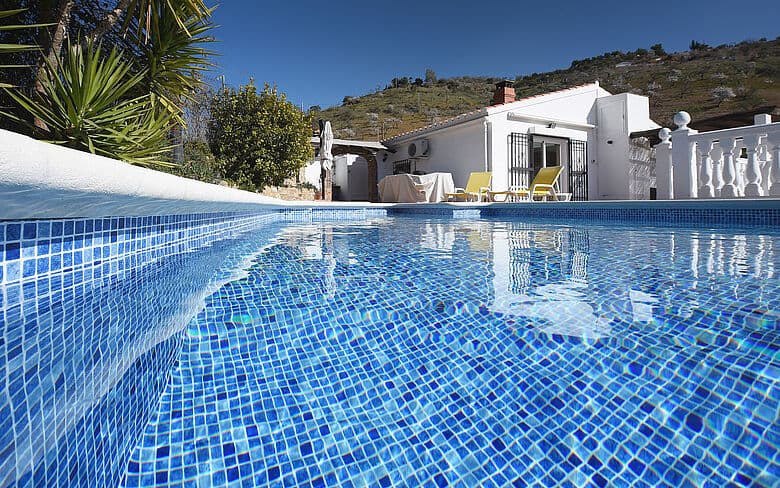
Why Florida Pool Owners Are Switching from Plaster to PVC Membrane (2026)
If you own a concrete pool in Florida and have already resurfaced it once — or twice — you know the frustrating cycle. The plaster looks great for the first year or two, then the calcium scale sets in, the surface goes rough, and before long you are fighting algae, water loss, and a finish that no longer feels clean to swim in. A few years later, the quotes for another resurface start arriving. You sign, pay, and the clock resets.
A growing number of Florida pool owners are stepping off this cycle entirely. They are not choosing a different type of plaster or a premium quartz aggregate — they are switching to a completely different material: reinforced PVC membrane. And the reason is straightforward: Florida's specific climate conditions make plaster a genuinely poor long-term solution for concrete pools here, in ways that do not apply in most other states.
This article explains exactly why that is happening, what PVC membrane actually is, and what you should expect if you decide to make the switch.
Why Florida Is Especially Hard on Concrete Pool Plaster
Plaster is a reasonable finish for concrete pools in moderate climates. Under relatively mild conditions — stable temperatures, lower UV, average water chemistry, reasonable rainfall — a good plaster job can last 10 to 15 years before it needs significant attention. Florida is not that climate.
Several conditions stack up here that accelerate plaster deterioration significantly:
UV Intensity
Florida's UV index regularly hits 10 to 11 during summer months — the highest classification on the scale. Sustained UV exposure at this level degrades the calcium matrix in plaster at a faster rate than in northern states. The whitening, chalking, and surface erosion that typically appear after several years in cooler climates appear much sooner here. UV also bleaches pigmented plaster finishes aggressively, so colored or tinted plasters fade noticeably within a few seasons.
Florida's High Water Table
This is the most underestimated factor in Florida pool problems. Much of the state sits on a shallow, saturated water table — in many South Florida and Central Florida areas, groundwater is just a few feet below the surface. When the pool structure develops any crack or porosity, water does not only leak out. Groundwater can also push in from the other direction, building up hydrostatic pressure against the shell. This pressure causes hollow spots in the plaster where it separates from the concrete behind it, creates blistering, and accelerates the failure of any surface repair that does not address the underlying structural issue.
This is also why some Florida pools lose water even after a full replaster. The problem is not the surface — it is the shell, the fittings, or the bond beam, and a new layer of plaster over the same structure will behave the same way.
Sandy and Limestone Soil Movement
Florida's soil is predominantly sandy or porous limestone — quite different from the denser clay soils common in other states. Sand and limestone drain quickly, but they also allow ground movement and shifting around pool structures, especially after heavy rain, during drought, or after sustained flooding. This ground movement puts stress on the concrete shell and on the bond between the shell and the plaster finish. Hairline cracks that open under this stress let water in, and water in a crack freezes in winter (yes, Florida does have occasional freezing events) or expands under heat pressure, widening the crack over time.
Hard Water Chemistry
Florida's municipal water supply is high in calcium and minerals — the same reason you see mineral buildup around your showerheads and faucets. In a pool, calcium-saturated water reacts with the calcium in plaster, accelerating a process called calcium leaching. The surface becomes pitted and rough, the water clouds from calcium carbonate precipitation, and scale builds up on surfaces, fittings, and equipment. Managing this chemically is possible but demanding — and over time, repeated chemical corrections wear down the plaster surface.
Year-Round Heat and Humidity
Most states have a true off-season for their pools. Florida does not. A pool running twelve months per year accumulates chemical exposure, UV wear, and thermal stress continuously. The heat itself is also a factor: concrete expands and contracts with temperature changes, and Florida's heat extremes (ambient temperatures above 90°F for months at a time, combined with pool water heating significantly in direct sun) create stress cycles that work against the plaster bond over time.
What Reinforced PVC Membrane Actually Is
PVC membrane — sometimes called pool liner, PVC waterproofing, or reinforced membrane — is a thick, flexible sheet of polyvinyl chloride manufactured specifically for swimming pools. The type used for professional renovation work is reinforced: a polyester mesh core is laminated between layers of PVC compound, giving it structural stability, puncture resistance, and dimensional stability under UV and heat. The finished thickness is typically expressed in millimeters — professional-grade membranes used by licensed installers are significantly thicker than the thin vinyl liners used in above-ground pools.
RENOLIT ALKORPLAN, the manufacturer whose membrane is installed by trained professionals including our team at Cool Pool of Florida, is the dominant brand in the European pool renovation market and has been the membrane of choice for commercial and municipal aquatic facilities for decades. It is UV-stabilized, tested for chemical resistance, and manufactured under ISO quality standards.
The critical difference from plaster is what the membrane does structurally. Plaster is a surface coating — it relies on the concrete shell beneath it for waterproofing. If the shell cracks, the plaster cracks with it. If the bond fails, water gets behind it. PVC membrane functions as a complete waterproofing system independent of the concrete surface: it creates a continuous, sealed envelope inside the pool shell, mechanically attached at the waterline and around all penetrations, that keeps water in and groundwater out regardless of what the concrete behind it is doing.
This is why PVC membrane is not just a resurfacing option. It is a different category of renovation — one that addresses waterproofing at a system level rather than a surface level.
Who Is Making the Switch — and Why Now
A few years ago, PVC membrane renovation was primarily a commercial and HOA product in Florida. Municipal pools, hotel pools, country club pools, and condominium complexes were the typical clients — facilities where water loss is a liability issue, where downtime is expensive, and where the longer maintenance interval of PVC justifies the higher upfront cost relative to plaster.
That has shifted. Three factors are driving growth in the residential PVC renovation market specifically in Florida:
Repeated replastering frustration. Homeowners who have been through the resurface cycle two or three times are increasingly asking what it would take to not do this again. The conversation about PVC membrane often starts there — not because the homeowner knew what PVC membrane was, but because they are specifically asking for a permanent fix rather than another short-term repair.
Water loss problems that replastering cannot solve. A concrete pool with structural cracks, failed fittings, or cold joint issues will continue to lose water after a plaster resurface. When that happens, the homeowner is often told that the next step is a full structural repair — which is expensive and disruptive — or that they need to manage the water loss with an auto-fill system. PVC membrane renovation, done by an experienced installer who addresses fittings and penetrations properly, can resolve water loss in many of these pools. For a homeowner who has been losing thousands of gallons per month, this is a compelling reason to switch.
Design preferences. Modern PVC membrane collections have moved well beyond the flat blue or white finishes that older vinyl liners were known for. Premium collections from manufacturers like RENOLIT offer stone textures, mosaic patterns, contemporary geometric prints, and sophisticated color palettes that simply are not available in plaster. Homeowners doing a pool renovation in 2026 often discover that the design possibilities with PVC membrane are significantly broader than with plaster or aggregate finishes.
Plaster vs. PVC Membrane: The Honest Comparison
There is no universally correct answer between plaster and PVC membrane — the right choice depends on your specific pool, its condition, your budget, and your goals. But here is an honest summary of how the two compare for Florida concrete pools:
Waterproofing: Plaster provides surface protection; the concrete shell provides waterproofing. PVC membrane is itself the waterproofing layer, independent of the shell condition.
Performance in Florida conditions: Plaster degrades faster in Florida's UV, hard water, and heat than in most other climates. PVC membrane is UV-stabilized and chemically inert to pool water — it does not degrade through the same mechanisms.
Surface feel: Plaster becomes rough with age, especially in Florida's hard water. PVC membrane remains smooth throughout its lifespan.
Maintenance: Both surfaces require balanced water chemistry. PVC membrane typically tolerates a wider range of pH and does not develop the calcium scaling problems that plaster does at higher pH levels.
Upfront cost: PVC membrane renovation is generally more expensive than a standard replaster. The cost varies significantly by pool size, condition, fittings, and scope. A free inspection is the right starting point — scope drives cost, and many pools require less preparation work than owners expect.
Long-term cost: The math shifts when you account for the replastering cycle. A homeowner who replasters every seven years and has owned the pool for twenty years has already paid for multiple rounds of resurfacing. PVC membrane, when properly installed, has a significantly longer maintenance interval — and eliminates the ongoing water loss costs that some Florida pool owners are living with.
What the Installation Process Looks Like
The process for a PVC membrane renovation on a concrete pool involves several phases, and understanding them sets realistic expectations:
Inspection first. The condition of the existing shell, fittings, bond beam, coping, and plumbing all affect the scope of work. An inspector who knows what to look for can identify whether there are structural issues that need to be addressed before membrane installation — and whether the pool is a good candidate for PVC in the first place. Some pools are excellent candidates; a few are not.
Surface preparation. The existing plaster surface is prepared — this may involve chipping, grinding, or cleaning depending on condition. The goal is a stable substrate for membrane adhesion and mechanical attachment.
Fitting and penetration work. Every fitting, return, drain, light niche, and skimmer is addressed. This is often where water loss is actually originating, and it is a critical part of the renovation. Skipping this step and simply covering old fittings with membrane will not solve a leaking pool.
Membrane installation. The membrane panels are heat-welded together on site, creating a continuous, seamless waterproof surface. Mechanical attachment at the waterline holds the membrane in place permanently. The weld seams are what make this a truly continuous system — not patches or adhesive strips, but fusion-bonded joints.
Startup and inspection. The pool is filled and the system is checked before the job is considered complete.
A typical residential renovation of a standard-size concrete pool takes several days to a week depending on scope. The pool is out of service during installation.
How to Find the Right Installer in Florida
PVC membrane renovation is a specialized skill. Not every pool contractor has experience with it, and the quality of the installation — particularly the welding of seam joints and the handling of fittings — directly determines how long the membrane performs and whether it solves the water loss problem.
When evaluating an installer, look for:
- A valid Florida pool contractor license — not just a general contractor or handyman
- Experience specifically with concrete pool membrane renovation (not just above-ground vinyl liner replacement, which is a completely different skill set)
- Familiarity with the specific membrane brand being used — RENOLIT ALKORPLAN installers receive product training; ask whether the installer has been trained on the specific product
- An inspection-first approach — any installer who quotes a price without first seeing the pool and reviewing the shell condition, fittings, and water loss data is guessing
- References for completed Florida concrete pool membrane renovations
Frequently Asked Questions
Does PVC membrane work on any concrete pool shape?
Yes. PVC membrane is cut and welded on site, making it suitable for pools of all shapes — including irregular shapes, radius steps, tanning ledges, and pools with benches or built-in spas. This is one of its advantages over pre-formed liners. The membrane panels are fabricated to fit the specific pool geometry.
How does PVC membrane compare to pebble or quartz aggregate finishes?
Aggregate finishes like pebble or quartz are still plaster-category products — they are applied as a surface coat over the concrete shell and have the same structural waterproofing dependency as standard plaster. They generally look better and last longer than white plaster, but they do not address the underlying waterproofing system. PVC membrane is a different category: a complete waterproofing layer rather than a surface coating.
Can PVC membrane fix a leaking concrete pool?
In many cases, yes — but the outcome depends on the source and nature of the leak. PVC membrane installation addresses the interior waterproofing surface and all fittings and penetrations, which are the most common sources of water loss in concrete pools. Structural cracks that penetrate the full shell depth may need to be addressed separately before or during membrane installation. An inspection is the only reliable way to determine whether membrane renovation will resolve a specific pool's water loss.
How long does a PVC membrane renovation take?
A typical residential concrete pool renovation takes approximately three to seven days, depending on pool size, condition, fitting complexity, and scope of preparation work required. Larger pools, pools with complex shapes, or pools requiring significant fitting replacement may take longer.
Is PVC membrane safe for swimming?
Yes. Reinforced PVC membranes manufactured for swimming pools are tested for human contact, chemical compatibility with pool water, and material safety. RENOLIT ALKORPLAN membranes are manufactured under ISO standards and are approved for residential and commercial aquatic use throughout Europe and North America.
What colors and designs are available?
RENOLIT ALKORPLAN offers a wide range of finishes: solid colors ranging from white and light blue through deep navy and contemporary grey, stone and granite textures, mosaic tile patterns, and premium design collections. Options available to you depend on the specific collection and your installer's inventory — it is worth reviewing the design collections during your consultation before committing to a scope of work.
The Bottom Line
Florida's climate is genuinely harder on concrete pool plaster than most homeowners realize when they first sign a resurface contract. The combination of UV intensity, hard water, a high water table, sandy soil, and year-round use creates conditions where plaster deteriorates faster, water loss is more likely, and the resurfacing cycle runs shorter than it would in most other states.
PVC membrane renovation does not make sense for every pool or every homeowner. But for a Florida owner with a concrete pool that has been resurfaced more than once, is losing water, or has a surface that is failing faster than expected, it is worth a serious conversation — not as a premium upgrade, but as the engineered waterproofing solution the pool may actually need.
Cool Pool of Florida installs RENOLIT ALKORPLAN reinforced PVC membrane for residential homeowners, HOAs, condominiums, and commercial facilities throughout Florida. The conversation starts with a pool inspection — we look at the shell, fittings, water loss history, and existing surface before recommending anything. Learn more about our PVC membrane renovation service or request a free inspection below.